The Collaboration You Probably Don’t Know About

There’s no substitute for experience and expertise.

We have been collaborating on research that combines qualitative methods and advanced technology for about 15 years. However, we’ve never actually told the world about this. So, here goes.

Market research is a team effort. High-quality outcomes require that all participants do excellent work and know how to work together. Today’s evolving landscape often requires the integration of traditional qualitative research with behavioral and emotional measures such as eye tracking and biometrics.  A high degree of experience working with these tools – and working seamlessly – is essential to producing quality results that yield unexpected insights.

Combining advanced technology with qualitative methods is an unbeatable combination. It allows us to uncover what people really notice and respond to – often beyond what they can articulate themselves. But only if everybody involved understands the tools and techniques.

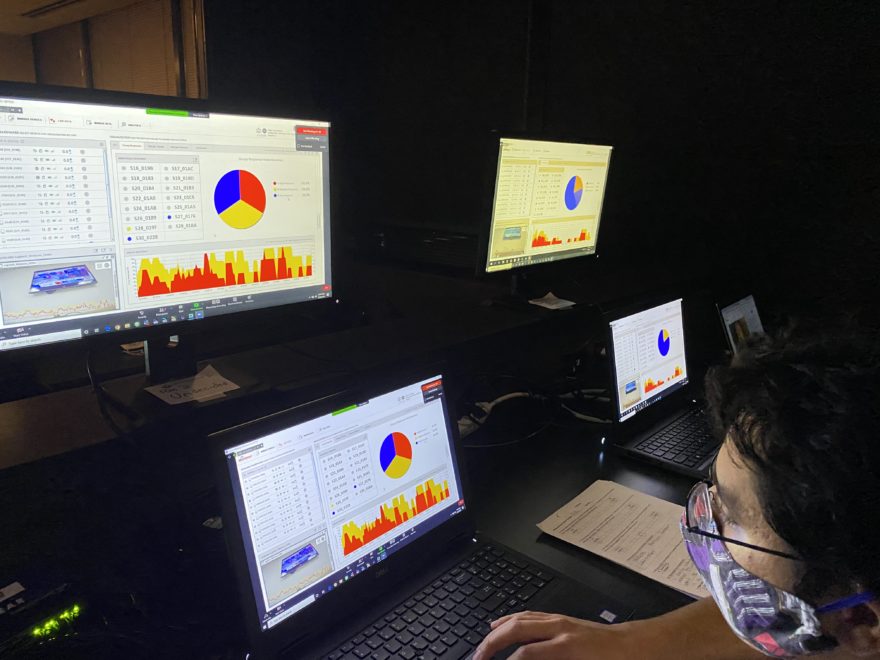
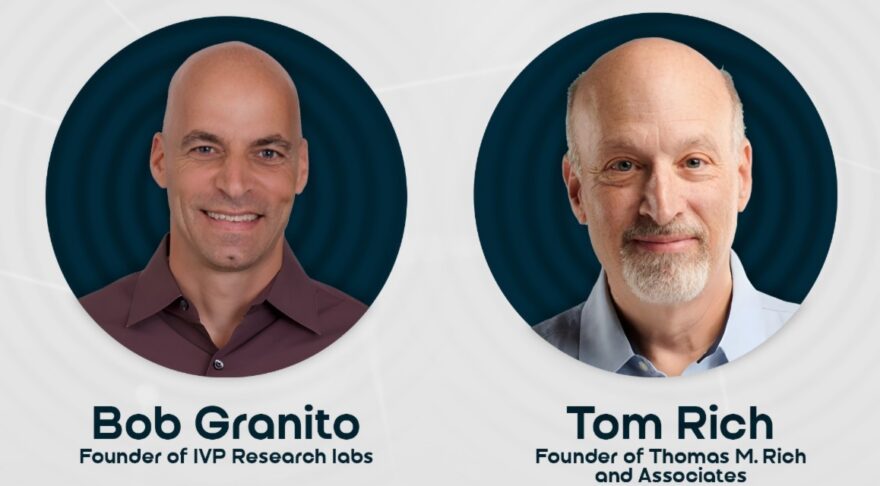
We have worked together dozens of times on this type of research. Bob provides the advanced technology. Tom handles the qualitative research design, execution and analysis. This combination yields outstanding results because IVP is the leading provider of eye tracking and biometric technology to the market research world, and Tom is widely known for combining these tools with qualitative methods.

People often view biometrics as a plug-and-play solution. But success depends upon more than sophisticated equipment. If the qualitative researcher moderating the study doesn’t understand eye tracking or biometrics, important opportunities will be missed. The study design could be flawed, important questions might not be asked, perceptions might not be probed, and valuable insights will never surface.

What’s more, collecting and analyzing biometric data is both art and science. If the people responsible for the technology aren’t experienced, you could easily end up with useless data and wasted time and money.

The same principle applies on the back end. Biometric data has little value unless those responsible for its analysis understand marketing strategy, motivation, and decision-making. This allows data to be translated into meaningful stories and actionable insights.

That’s why collaboration matters. Successful studies occur when all parties understand one another’s disciplines. The difference between a good study and a great one is ensuring that every link in the chain is strong from the beginning to the end.


Eye Tracking. It’s Been Around For Ages.

What do we need, and how do we get it?

Humans are complex. There are many elements that go into decision making and preferences. In research, it’s typically easiest to just ask a respondent’s feelings- via a qualitative interview, quantitative survey, or some form of self-report.

However, sometimes ‘asking’ doesn’t tell the complete story or answer the deeper questions. Emotions, engagement, and attention can all be difficult for respondents to communicate clearly, and sometimes a “best guess” is more of a ‘wild guess.’  Tools that accurately measure behavioral and emotional feedback are becoming increasingly common, and one of the most common is eye tracking.  

Despite common assumptions, eye tracking is not a new technology. It has been used in research for more than a century. In the late 1800s, researchers studied eye movements using custom contact lenses fitted with pointers to record gaze patterns. These early methods required direct contact with the eye and a fixed head position, but they established principles and procedures that shaped the field.

Fortunately for today’s researchers, eye tracking technology has advanced significantly. It is now portable, contact-free, and even capable of remote data collection on a global scale. Whatever your research questions, there is an eye tracking solution that can capture the eye gaze data you need.

Having worked with eye tracking solutions for many years, we’ve seen various solutions mature over the years. Moving from tabletop-only monitors with built-in IR cameras to wearable glasses and HD webcam feeds, there have been a lot of changes that have really increased accessibility.  Also worth mentioning are the changes on the analysis side. Tasks that used to take days (or weeks) now take hours or minutes, and data that was previously hard to visualize is considered standard output.

From our perspective, one of the most notable recent shifts is how eye tracking devices are used in commercial research. For years, eye tracking was mainly used to produce visual outputs (such as heat maps and gaze replays) to show where respondents looked as indicators of visual attention. That remains a very valuable application, but there is now greater emphasis on eye gaze data that helps explain those visual patterns.

Metrics such as time to first fixation, total fixation duration, and many more are being used in increasingly novel ways to get a deeper understanding of respondent’s experiences. We can ‘reconstruct’ paths and activity to uncover trends and behaviors.

Ultimately, eye tracking provides a way to capture behavioral data that is otherwise difficult to attain. It is not easy for respondents to self-report where they looked, in what order, and for how long. Pairing the eye tracking ‘what’ data with a qualitative discussion to explain the ‘why’ is a modern and effective way to explore how participants act and feel.

At-Home Biometric Neuromarketing Research

With many researchers conscious of travel, our clients are looking for creative solutions to get great insights while staying safe.

That’s why we are excited to introduce you to NeuroLynQ@Home. With this powerful technology, you can now conduct Neuro research remotely.
Together, Shimmer, Schlesinger Group and IVP deliver the new NeuroLynQ@Home service to provide a remote biometric monitoring system, allowing participants’ nonconscious emotional responses to be evaluated from the comfort of their own home.
  • Measure sweat gland activity and heart rate using a photoplethysmogram (PPG) sensor, which uses light absorption to measure changes in blood volume in their capillaries.
  • Access a moment-by-moment assessment of the participants’ emotional response to video, websites, gaming, and ethnographic stimulus.
  • Take advantage of turnkey service to recruit participants according to your specifications, manage the logistics of getting the sensors to and from the participants, and ensure that they complete the study in a timely manner.
Want to learn more about NeuroLynQ@Home? Don’t hesitate to reach out.

This neuromarketing technology uses galvanic skin response (GSR) and heart rate to measure participants’ emotional responses

Morganville, NJ and Cambridge, MA, February 2, 2021– IVP Research Labs, the leading provider of mobile marketing research labs, and Shimmer Research, a global leader in wearable technology for research applications, today announced the launch of IVP’s NeuroLynQ™ Service. NeuroLynQ technology is revolutionizing neuromarketing by making it easy and practical. With this biometrics solution, researchers can utilize GSR (skin conductance) and ECG (heart rate) readings to identify key moments and measure participant arousal and attention levels during in-person research. NeuroLynQ is ideal for focus groups and large audiences of up to 45 people.

Commenting on the news, Bob Granito, President, said, “This is an exciting time for IVP as we continue to grow and add value to market research. IVP, alongside our partner Shimmer Research, have sought to bring neuromarketing to the qualitative industry as another measure of consumer feedback. This solution will allow researchers to see consumers’ reactions beyond verbal communication and body language and give them a real-time analysis of how the respondents arousal and attention change throughout the research.”

“IVP Research Labs is a leader in bringing insightful technology to qualitative research. Together, we have the necessary infrastructure and technical expertise to support a seamless deployment of NeuroLynQ technology to neuromarketing researchers in the US and Europe. This user-friendly tool will allow researchers to adopt biometric measurements with ease and confidence,” said Geoffrey Gill, President of Shimmer Americas.

IVP Research Labs and Shimmer Research will be debuting NeuroLynQ on February 4, 2021 at the Qualitative Research Consultants Association (QRCA) annual conference.

To learn more, view the full press release:

IVP Research Labs and Shimmer Launch NeuroLynQ Service to Enhance Qualitative Research

Supporting Your Q4 Needs 

Online or In-Person


Whether online or in-person, IVP Research Labs is here to help you finish your year strong. 

With solutions for usability testing, eye tracking, facial coding and more, we are here to support your Q4 research in-person or virtually. Plus our expert team adds peace of mind by taking care of the details so you can focus on delivering timely and impactful research. 


Online Research 

Conduct easy-to-use online remote consumer research from the comfort of your home or office with IVP Research Labs.

Our experts:

  • Pre-qualify respondents and ensure they are prepared for their online experience
  • Test respondent webcams to deliver high-quality video capture
  • Ship cameras to respondents to guarantee the right point of view

In-Person Research 

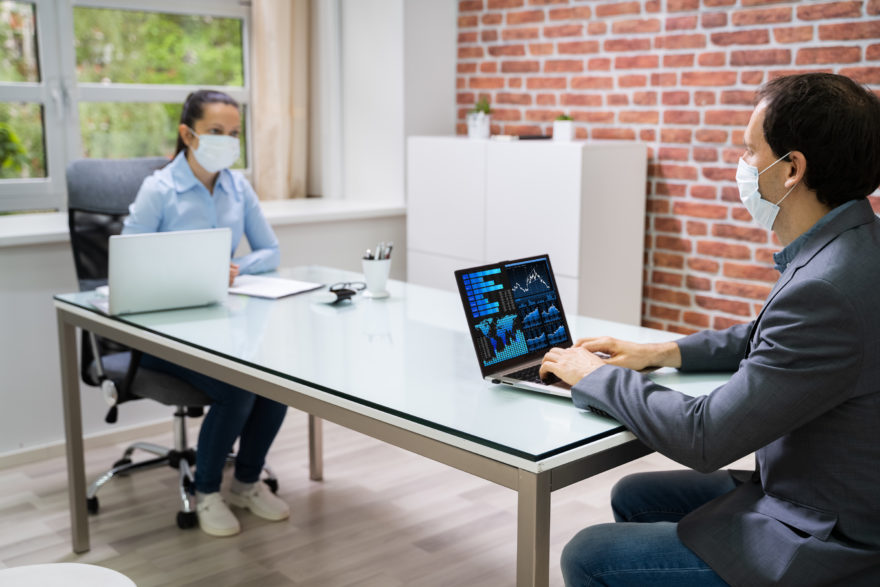
IVP is taking extra precautions to ensure the safety of respondents, as well as researchers. 

Our teams: 

  • Follow the specific precautions of any facility we work at 
  • Adhere to physical distancing guidelines
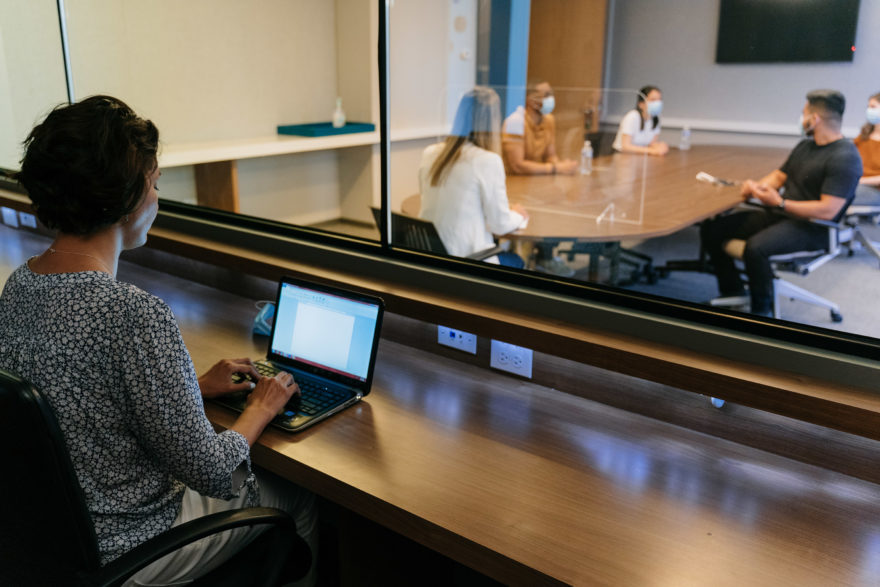
  • Wear a face mask and other protective equipment at all times
  • Sterilize IVP equipment between interviews

Interested in learning more about our online and in-person capabilities? Don’t hesitate to pick up the phone and call with any questions or last-minute needs. We are here to help. 

Let’s Talk

Bob Granito
President, IVP Research Labs
BobG@IVPResearchLabs.com

We are excited to be partnering again with HCD Research, Schlesinger Group and Shimmer Inc. to study voters’ responses to the final Presidential Debate on October 22nd.

Together, we will be observing in real time a group of Republicans, Democrats and Independents in the battleground state of Pennsylvania. As these respondents watch the debate, they will be attached to sensors capturing their psychophysiological response.

By measuring second-by-second psychophysiological response of the voter, we will be able to identify the most impactful moments of the debate using quantitative neurological response.

Stay tuned to see the results from this research.

Can’t wait for the results? 

Reach out to learn how neuromarketing can help you deliver deeper insights.

Let’s Talk

Bob Granito
President, IVP Research Labs
BobG@IVPResearchLabs.com

As President Donald Trump and Democratic nominee Joe Biden faced off on stage for the first time, we partnered with HCD Research, Shimmer Research Inc., and Schlesinger Group to gauge voters’  psychophysiological responses to the September 29th Presidential Debate.

Many voters had decided who they were voting for prior to these debates with the expectation that they would side with their own candidate over the opponent. 

Going into the debate, Trump voters stated, “they both tend to say stupid things, but I feel like Trump is more factual and Biden is more emotional.” while Biden voters said, “I feel the debate skills that Joe Biden possess are greater than Donald Trump’s.”. 

But what would their psychophysiological responses reveal about how they reacted to the live performances of each candidate? Check out the results focusing on the big reaction moments of Trump, Biden, and Undecided voters during the debate.

Interested in learning more? Reach out to discuss how neuromarketing can help you deliver deeper insights.

Let’s Talk

Bob Granito
President, IVP Research Labs
BobG@IVPResearchLabs.com

As President Donald Trump and Democratic nominee Joe Biden faced off on the debate stage for the first time last week, we partnered with HCD Research, Schlesinger Group and Shimmer Inc. using neuroscience measurement to gauge voter response.

“It was all a mess,” “the interactions were distracting,” “it was out of control,” “utter disrespect,” “it was funny and completely pointless” – those were some of the words groups of Trump, Biden, and Undecided voters used to describe the debate. But how they felt non-consciously and their reactions in the moment to events during the debate reveal a more complicated story.

Click here to see an analysis of the initial results.

Let’s Talk

Bob Granito
President, IVP Research Labs
BobG@IVPResearchLabs.com

We are looking forward to partnering with HCD Research, Schlesinger Group and Shimmer Inc. to study voters’ responses to the Presidential Debate on September 29th.

Together, we will be observing a group of Republicans, Democrats and Independents in real time as they watch the debate while attached to sensors measuring their psychophysiological response to candidates statements, demeanor, and stage movements.

The real-time data will be analyzed by Dr. Michelle Niedziela, a neuropsychologist, who will identify salient moments and interpret the responses of the three voter groups.

Stay tuned to see the results from this research.

Can’t wait for the results? 

Reach out to learn how neuromarketing can help you deliver deeper insights.

Let’s Talk

Bob Granito
President, IVP Research Labs
BobG@IVPResearchLabs.com

We hope you and your loved ones are safe and well. Thank you for your partnership and flexibility during COVID-19, as we have successfully taken our clients’ research labs online.

As US states begin to re-open, we will support research both online and in-person research labs. Our priority is the health and safety of our clients and employees during the transition back to in-person work.

Precautions for Responsible In-Person Research

Our IVP Research Labs team will:

  • Follow the particular precautions of any facility we work at
  • Adhere to physical distancing guidelines
  • Wear a face mask at all times
  • Wear disposable gloves 
  • Sterilize IVP equipment between interviews

Increased Flexibility If You Need to Cancel

Through August 1, we have adjusted our cancellation policy to allow greater flexibility for planning of in-person research. If your research is cancelled with 6+ business days’ notice, no cancellation fee will be incurred. For any research cancelled within 5 business days or less, a 50% cancellation fee will apply.

Online or In-Person, We Have You Covered

IVP Research Lab supports you from technology demos to data delivery for the following research technology.

IN-PERSON
Usability Testing
Eye Tracking
Facial Coding
Biometrics
EEG Neuromarketing

ONLINE
Usability Testing
Eye Tracking
Facial Coding

Planning for Future In-Person Research or Conducting Research Online Today

We are here to help in the planning and execution of your important studies.

Let’s Talk

Bob Granito
President, IVP Research Labs
BobG@IVPResearchLabs.com